
The Business of Soccer in 2024: How Money is Reshaping the Global Game
Introduction: The $50 Billion Football Industry Soccer has transformed into one of the world’s most The Business of…
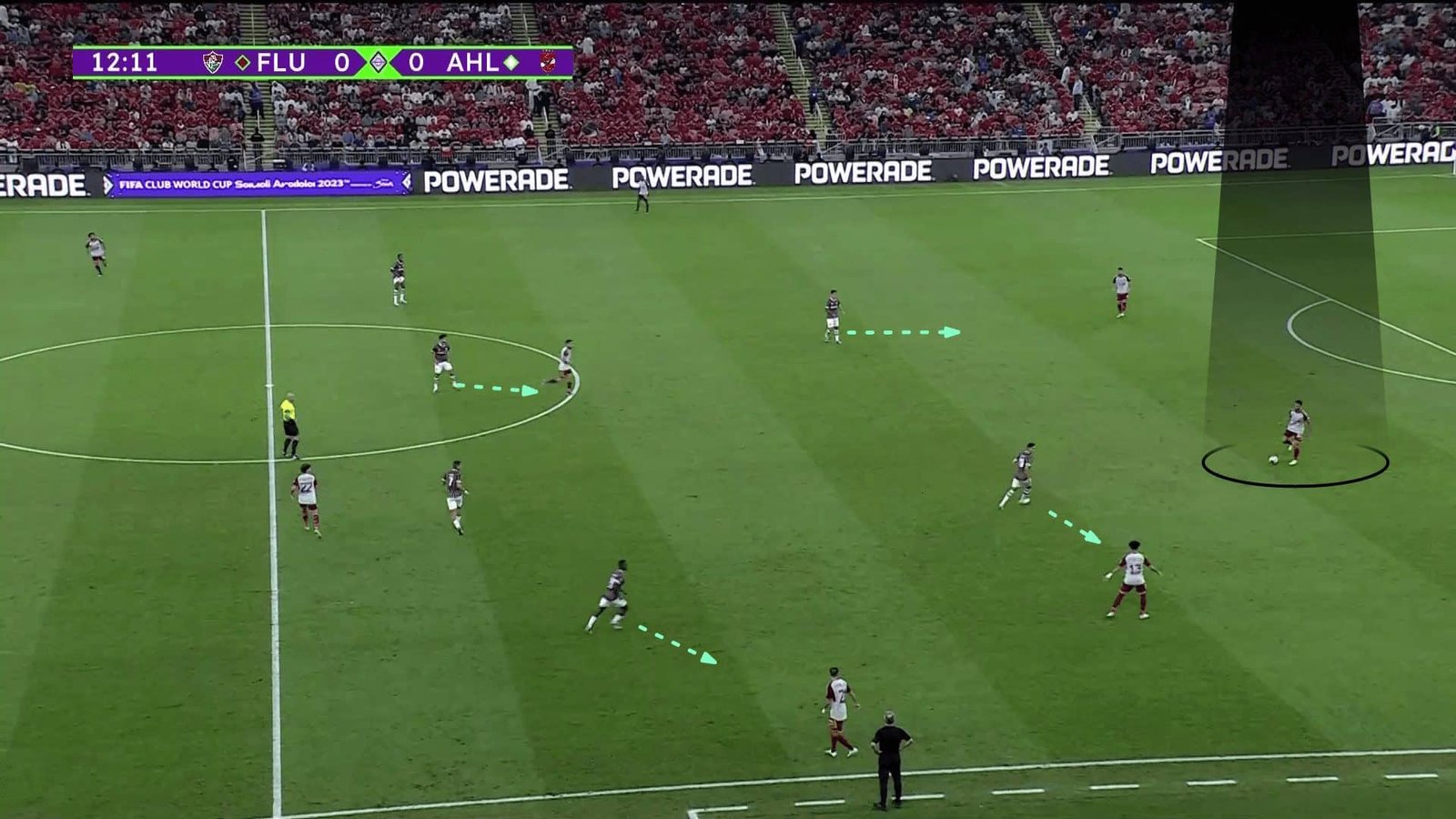
The Africa Cup of Nations has undergone a remarkable tactical evolution in recent years. As we approach AFCON 2024 Tactical Trends, teams are blending traditional African football strengths with modern European influences to create compelling new styles of play. This in-depth analysis reveals:
✅ The death of “kick and rush” African football
✅ How European coaching is transforming tactics
✅ The rise of pressing systems in AFCON
✅ Why small nations are becoming tactically sophisticated
✅ How climate impacts playing styles
Gone are the days when African teams relied solely on physical prowess. According to CAF’s technical reports, the continent has seen:
300% increase in UEFA Pro-licensed coaches since 2010
62% more passes per game compared to AFCON 2010
45% reduction in long balls over last three tournaments
Morocco’s 2022 World Cup success has inspired African teams:
Senegal now uses coordinated pressing triggers
Tunisia employs a 4-4-2 mid-block press
Even minnows like Gambia press aggressively
Key Stat: Pressing success rates have improved 28% since 2019
North African sides lead this evolution:
Algeria’s build-up resembles Man City’s
Egypt uses structured positional rotations
Morocco creates overloads like top European clubs
The days of open African football are over:
Average team defensive line dropped 8 meters since 2010
72% of teams now use zonal marking
Mali conceded just 2 goals in qualifiers using low block
Dead balls now decide tight games:
38% of AFCON 2021 goals came from set plays
Ivory Coast hired dedicated set-piece coach
Nigeria scored 7 headed goals in qualifiers (most in CAF)
Teams now change systems fluidly:
Cameroon used 4 different formations in 2021
Ghana switches between 4-2-3-1 and 3-5-2
Morocco’s hybrid 4-1-4-1/4-3-3 confused World Cup opponents
The influx of European managers has brought:
Structured Training Methods
Senegal’s Aliou Cissé (French coaching education)
Tunisia’s Jalel Kadri (studied in Germany)
Data Analytics Adoption
80% of teams now use performance data
Morocco’s “Neuro11” mental training program
Youth Development Overhauls
Nigeria’s “NFF Coaching Curriculum”
Senegal’s Generation Foot academy model
The Ivory Coast heat (avg. 32°C) will influence:
Pressing Intensity – Most teams will press in short bursts
Substitution Patterns – Expect 5-sub waves in second halves
Tempo Management – Slow build-up in early game phases
Small nations are innovating:
Comoros used innovative man-marking in 2021
Gambia perfected low-block counterattacks
Equatorial Guinea employs aggressive man-to-man systems
We spoke with three African football analysts:
Maher Mezahi (BBC Africa):
“The North African press vs West African physicality clash will define this tournament.”
Colin Udoh (ESPN):
“Watch for more false nines as teams combat low blocks.”
Lolade Adewuyi (The Athletic):
“Set-pieces will decide at least 30% of knockout games.”
Key things to watch:
Fullback Positioning – Are they tucking in or overlapping?
Press Triggers – What cues make teams press?
Midfield Shapes – Triangles or flat lines?
Striker Movement – Dropping deep or stretching play?
Morocco – Most progressive system
Senegal – Best defensive organization
Mali – Midfield control mastery
Cape Verde – Compact defensive blocks
| Decade | Dominant Style | Example Team |
|---|---|---|
| 1990s | Direct Physical Play | Nigeria 1994 |
| 2000s | Wing Play Focus | Cameroon 2000 |
| 2010s | Transition Football | Zambia 2012 |
| 2020s | Positional Play | Morocco 2022 |
For the best viewing experience, AFCON 2024 Tactical Trends:
Watch midfield zones – Where games are won
Note first 15 mins – Teams reveal their systems
Track substitutions – Tactical changes often follow
For more tactical analysis, visit Soccer NewsZ during the tournament.

Introduction: The $50 Billion Football Industry Soccer has transformed into one of the world’s most The Business of…
Introduction: When a Hashtag Changed the Game In March 2024, a simple tweet from USWNT star Alex Morgan…
Champions League Highlights 2024, The UEFA Champions League 2024 delivered another season of unforgettable drama, breathtaking goals, and…

Leave a Reply