Top 10 Young Soccer Stars in 2024 – The Next Messi & Haaland?
Young Soccer Stars, The football world is always searching for the next generation of superstars, and 2024 has…
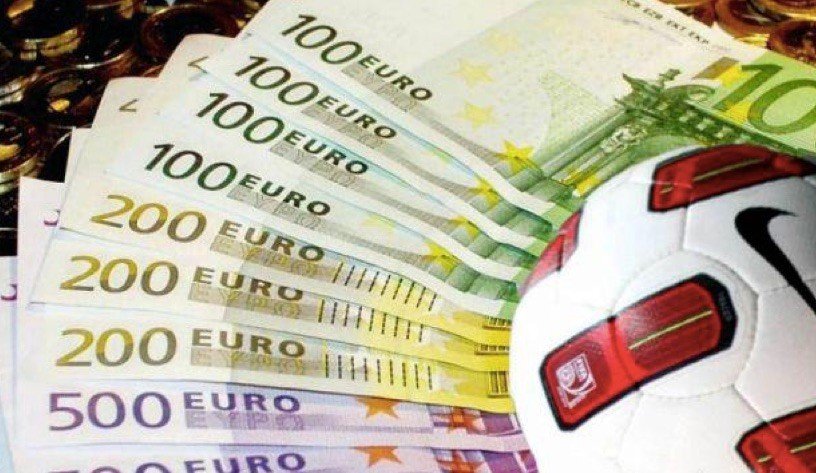
The global football industry has transformed into a Modern Football Clubs Generate Revenue multi-billion dollar business, with top clubs operating as sophisticated entertainment corporations. In this 1,500+ word deep dive, we analyze the modern revenue streams powering football clubs in 2024, examining how commercial strategies have evolved and what the future holds for the business side of the beautiful game.
$65 billion – Estimated value of global football industry
18.4% growth in commercial revenue since 2022
37% of clubs now profitable (up from 28% in 2019)
Source: Deloitte Football Money League 2024
Premier League’s $12B int’l TV deal (2024-2028)
UEFA’s new Champions League format increasing matches
Direct-to-consumer platforms gaining traction
Man City’s $80M/year Etihad deal renewal
Sleeve sponsorships now standard
Training kit sponsors adding 15% more value
Tottenham’s $125M/year stadium revenue
Premium experiences (fieldside clubs, VIP lounges)
Dynamic ticket pricing algorithms
Chelsea’s $1B+ player sales since 2022
Sell-on clauses becoming more valuable
Academy products generating pure profit
NFT collectibles (PSG’s $50M in sales)
Metaverse experiences (Man City’s virtual stadium)
Subscription content (Real Madrid TV+)
365-day venues (concerts, esports, conferences)
Naming rights (Spurs’ $400M deal with Google)
Mixed-use developments (residential/commercial)
Saudi tourism deals (Newcastle’s SELA sponsorship)
Gambling sponsorships facing regulation
Crypto partnerships declining post-crash
70% squad cost ratio (wages + transfers vs revenue)
Three-year break-even assessment
Owner investment limits
Long-term contract amortization (Chelsea’s strategy)
Related-party sponsorships (Man City case)
Academy player sales (pure profit)
Revenue ratio: 18:1 (up from 12:1 in 2014)
Wage differential: Top clubs pay 15x more
Transfer spending: 87% of fees from 20 clubs
Revenue sharing increases
Cost control measures
Competitive balance taxes
$2B+ spent on transfers in 2023
500% wage inflation for targeted players
European clubs forced to raise salary ceilings
Player valuation inflation
Shift in power dynamics
New commercial competition
$1B valuation for top women’s clubs
Standalone sponsorships (not bundled with men’s)
Record attendance driving matchday revenue
Micro-transactions (in-game purchases)
Personalized fan experiences (AI-driven)
Stadiums as tech hubs (5G, AR, VR)
Private equity investment increasing
Super League revival attempts
Government regulation changes
Economic downturn impacts
Data-driven recruitment (Brighton model)
Academy focus (Ajax, Benfica)
Community ownership (German 50+1 rule)
Niche commercial partnerships

Young Soccer Stars, The football world is always searching for the next generation of superstars, and 2024 has…
The 2025 MLS season could be Lionel Messi’s final chapter in professional football. After a blockbuster 2024 campaign…
Champions League Highlights 2024, The UEFA Champions League 2024 delivered another season of unforgettable drama, breathtaking goals, and…


Leave a Reply