
2016 Colgate Raiders Football Team: Season Review, Schedule & Results
The 2016 Colgate Raiders football team represented Colgate University during the 2016 NCAA Division I Football Championship Subdivision…
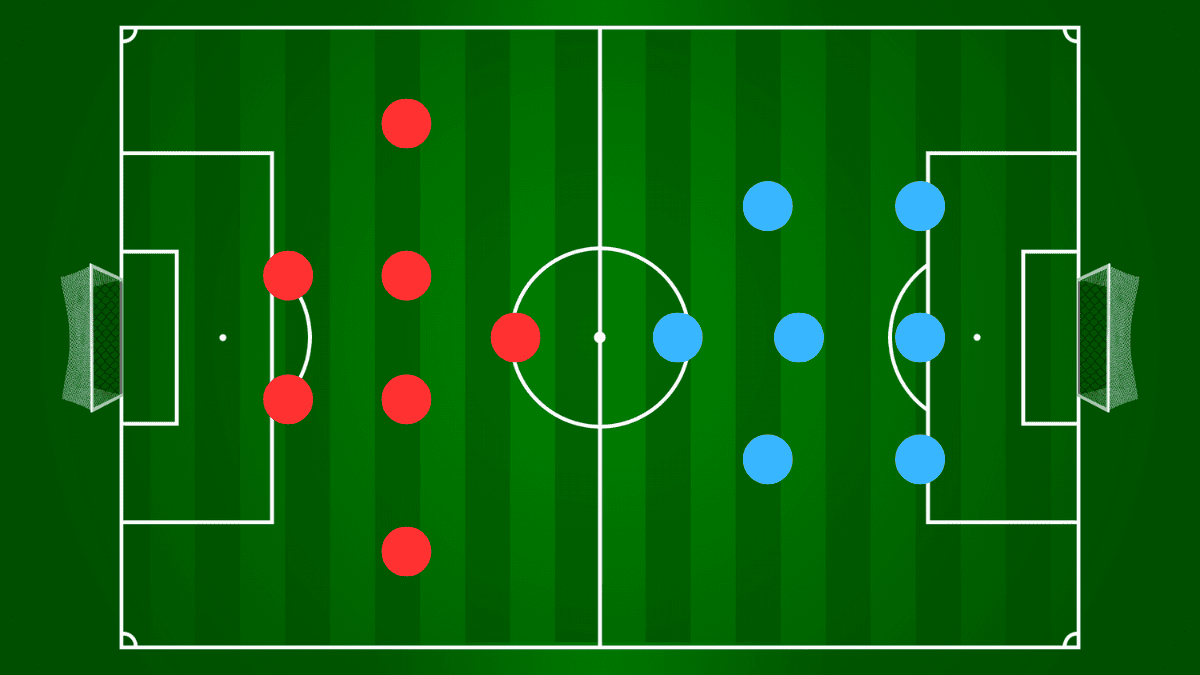
Soccer tactics have undergone more radical transformation in the past five years than in the previous fifty. As we reach the midway point of 2025, a new tactical paradigm is emerging—one that blends cutting-edge analytics with revolutionary positional play, creating what experts are calling “Positionless Football.” This seismic shift is rendering traditional formations obsolete and demanding unprecedented versatility from players.
In this 1,500+ word tactical deep dive, we analyze:
✔ The death of fixed formations and rise of fluid systems
✔ How data analytics is creating hyper-specialized player roles
✔ The tactical trends dominating top leagues in 2025
✔ Which clubs are pioneering these innovations
✔ What this means for the future development of players
Top teams now average 87 positional rotations per match (up from 42 in 2015)
“Positional Zones” replace fixed roles (see Pep’s “Box Midfield” evolution)
Case Study: Manchester City’s 2-3-5 in possession morphing to 4-4-2 out of possession
| Traditional Role | 2025 Evolution | Example Player |
|---|---|---|
| Fullback | Inverted Wingback/Overlap Creator | João Cancelo |
| Defensive Mid | “Half-Back” Deep Playmaker | Rodri |
| Winger | Wide Playmaker/False Winger | Phil Foden |
Key Insight: Players now need 5+ positional competencies versus 2-3 in previous eras.
Passing Value Added (PVA): Measures how passes disrupt defensive structures
Defensive Actions Per 90 (DAP90): Quality over quantity in tackles
Expected Threat (xT): Quantifying off-ball movement value
Liverpool’s “Opponent DNA” system predicts tactical weaknesses
Real Madrid’s set-piece algorithm increased goals by 27%
Brighton’s recruitment model targets specific tactical fits
SoccerNewsZ Exclusive: How data is creating new specialist roles like “Press Triggers” and “Transition Anchors.”
“Gegenpressing” now “Smart Pressing” with AI-determined triggers
Energy-efficient pressing systems (30% less distance covered)
Case Study: Xabi Alonso’s Leverkusen – 58% possession with intense press
Goalkeepers as Playmakers (Ederson’s 92% long-pass accuracy)
False Nines Reborn (Kane dropping deep to create)
“Shadow Strikers” (Bellingham’s hybrid 8/10 role)
Arsenal’s 27 set-piece goals in 2024/25 (new PL record)
“Dummy Routines” fooling VAR and opponents
Goalie-distraction tactics under scrutiny
| Club | Tactical Innovation | Success Metric |
|---|---|---|
| Man City | Positional Play 3.0 | 78% avg. possession |
| Brighton | Data-Driven Recruitment | £200M+ player sales |
| Bayer Leverkusen | Hybrid 3-4-3 System | 32-game unbeaten run |
| Napoli | Hyper-Compact Defense | Fewest goals conceded |
Controversy: Smaller clubs accuse innovators of creating a “tactical arms race” only wealthy teams can win.
Positional rotation drills replacing fixed role training
Cognitive training for faster decision-making
“Tactical IQ” testing during recruitment
Ambipedalism (two-footed play now mandatory)
Tactical Adaptability (players learning 3+ positions)
Data Literacy (understanding performance metrics)
Youth Development Insight: The 2025 U17 World Cup featured 83% multi-positional players versus 41% in 2015.
The 2025 tactical landscape presents both exciting possibilities and concerning trends:
✅ Positives
More dynamic, creative football
Reduced physical brutality
Increased strategic depth
⚠️ Challenges
Over-reliance on data killing spontaneity
Growing gap between rich and poor clubs
Potential loss of traditional player identities
Final Thought:
As Soccer tactics evolve at breakneck speed, one truth remains—the teams blending innovation with footballing soul will dominate the coming decade.
For weekly tactical breakdowns and analysis, visit SoccerNewsZ—your home for cutting-edge football intelligence.

The 2016 Colgate Raiders football team represented Colgate University during the 2016 NCAA Division I Football Championship Subdivision…
The Video Assistant Referee system was supposed to eliminate refereeing errors and bring fairness to football VAR Controversies…
Mind Over Matter: Football’s New Mental Edge The 2023-24 season has revealed a seismic shift in how elite…

Leave a Reply