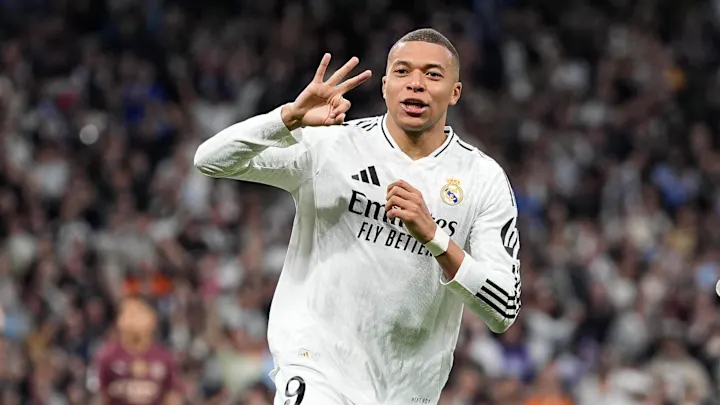
Kylian Mbappé to Real Madrid: FULL Transfer Details, Salary & Jersey Number
The biggest transfer saga of the decade has finally reached its climax—Kylian Mbappé is officially a Real Madrid…

Soccer has transformed into one of the world’s most The Business of Soccer industries, with the global football market now valued at over $50 billion. This in-depth analysis explores the financial forces driving the modern game, from record-breaking broadcast deals to revolutionary revenue streams that are changing how clubs operate.
Global market value: $50.7 billion (up 12% from 2023)
European dominance: 68% of total revenue
Fastest-growing regions: North America (+28%) and Asia (+19%)
Media rights: 42% ($21.3 billion)
Commercial/sponsorships: 31% ($15.7 billion)
Matchday: 15% ($7.6 billion)
Player trading: 12% ($6.1 billion)
Related: Deloitte Football Money League 2024 (Deloitte Sports Business Group)
Premier League: $12B (2023-2028)
UEFA Champions League: $6B (2024-2027)
NWSL: $240M (first standalone deal)
Amazon Prime securing more football packages
Apple TV’s MLS Season Pass success
DAZN’s global women’s football push
| Club | Main Sponsor | Annual Value |
|---|---|---|
| Manchester United | TeamViewer | $80M |
| Real Madrid | Emirates | $70M |
| PSG | Qatar Airways | $65M |
| Bayern Munich | Deutsche Telekom | $55M |
NFT and digital collectibles
Metaverse experiences
Gambling partnerships (where legal)
Related: UEFA Club Licensing Report (Official UEFA)
Jude Bellingham → Real Madrid ($134M)
Declan Rice → Arsenal ($125M)
Moises Caicedo → Chelsea ($116M)
Saudi Pro League effect
Premier League financial power
Release clause inflation
Tottenham Hotspur ($6.2M per game)
Manchester United ($5.8M)
Real Madrid ($5.5M)
Naming rights deals
Concert and event hosting
Museum and tour revenue
Market value: $1.2 billion (up 300% since 2020)
Sponsorship growth: +45% year-on-year
Broadcast deals: NWSL 240M,WSL35M
Barcelona Femení ($12M revenue)
Chelsea Women ($10M)
USWNT ($8M commercial)
70% squad cost ratio limit
5-year amortization cap
Stricter owner funding rules
Improved academy production
Creative sponsorship structures
Enhanced commercial operations
MLS franchise values up 30%
Liga MX expansion plans
Canadian Premier League rise
Saudi Pro League ambitions
Indian Super League investments
Chinese market recalibration
First $200M transfer
Women’s club valuations doubling
African league commercialization
Blockchain ticketing systems
Economic downturns
Streaming fragmentation
Regulatory changes
Data-driven recruitment
Youth development focus
Community engagement programs
Innovative sponsorship packages
Brighton’s analytics approach
Dortmund’s player trading model
Brentford’s data edge
The business of soccer has never been more complex or lucrative. As the sport continues its global expansion, clubs must balance commercial ambitions with sporting integrity to thrive in this new economic landscape.
For more football business analysis visit: Soccer Newsz

The biggest transfer saga of the decade has finally reached its climax—Kylian Mbappé is officially a Real Madrid…
The National Women’s Soccer League (NWSL) is shattering expectations in 2024 NWSL Breaks Attendance Records, with historic attendance…
The battle for the Africa Cup of Nations Golden Boot is always one of the tournament’s most exciting…


Leave a Reply