
The Evolution of Football Tactics: How Formations Have Changed the Game
Football tactics have undergone a remarkable transformation since the sport’s early days, evolving from rigid formations to fluid…

The History and Evolution of Soccer, Soccer’s journey from primitive ball games to the world’s most popular sport is a fascinating tale of cultural exchange, rule changes, and global passion. This 3,500-word definitive history explores:
Ancient roots and medieval precursors
The birth of modern football rules
Global spread and cultural adaptations
Evolution of tactics and playing styles
The future of football’s development
Description: Kicking leather ball through silk net
Military Use: Training exercise for soldiers
Rules: No hands allowed, similar to modern soccer
Cultural Significance: Often had religious meaning
Unique Feature: Used rubber balls centuries before Europe
Brutality: Some versions ended in human sacrifice
Chaotic Nature: Entire villages playing across miles
Controversy: Repeatedly banned by kings (1314-1667)
Legacy: Shrovetide games still played today
For archaeological evidence: FIFA Football History
| Year | Development | Impact |
|---|---|---|
| 1848 | Cambridge Rules | First written standards |
| 1863 | FA Formation | Split from rugby |
| 1872 | First Int’l Match | Scotland vs England |
| 1886 | Goal Nets Introduced | Settled scoring disputes |
1863 FA Meeting: 11 crucial rules established
Controversy: Carrying ball vs kicking-only debate
Result: Rugby Football Union formed 1871
Exports: Workers, sailors, and soldiers spread the game
First Clubs:
Argentina (1867)
Brazil (1894)
India (1892)
Brazil: Developed samba style on beaches
Italy: Catenaccio defensive system
Netherlands: Total Football revolution
| Era | Dominant Style | Key Innovator |
|---|---|---|
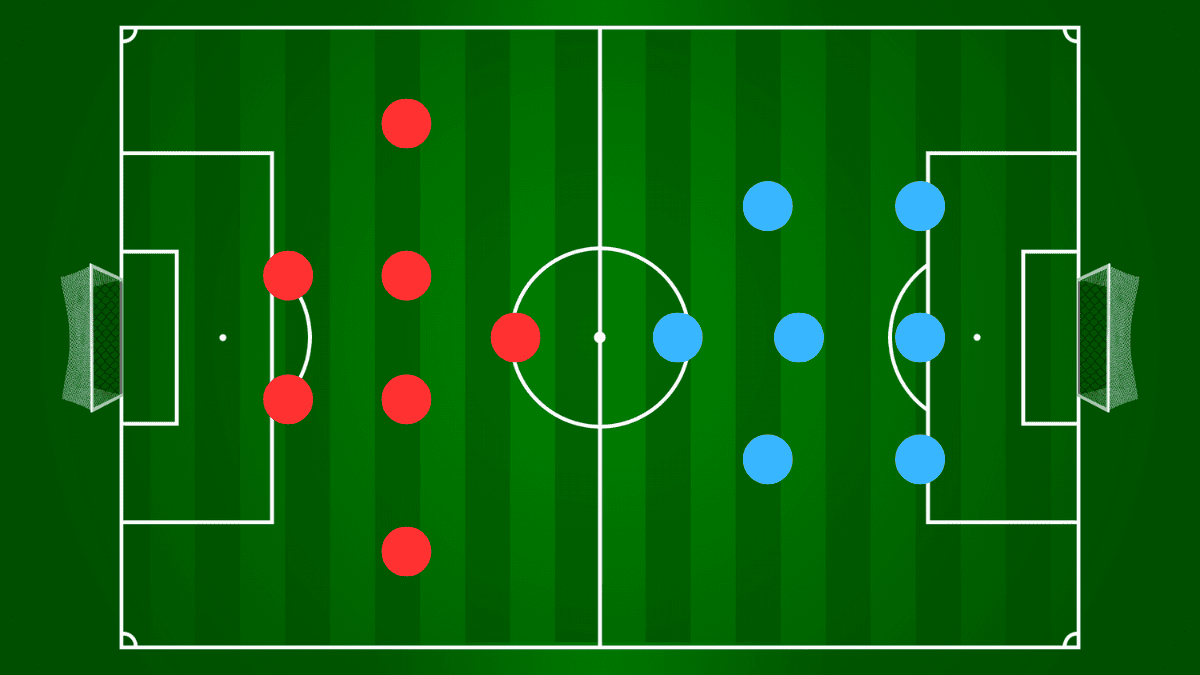
| 1920s | 2-3-5 Pyramid | Herbert Chapman |
| 1950s | 4-2-4 Magic Square | Márton Bukovi |
| 1970s | Total Football | Rinus Michels |
| 1990s | 4-4-2 Pragmatism | Arsène Wenger |
| 2020s | Positional Play | Pep Guardiola |
For tactical analysis: UEFA Technical Reports
Host: Uruguay
Participants: 13 teams
Legacy: Created global tournament model
Innovation: Continental club competition
Impact: Raised club football’s profile
Problem: Defensive time-wasting
Solution: Keepers can’t handle deliberate backpasses
Result: More attacking play
1920s: Heavy leather work boots
1950s: Lighter screw-in studs
1990s: Synthetic materials
2020s: Smart sensor-equipped boots
1930s: Laced leather (absorbed water)
1970s: Telstar’s black/white panels
2006: Teamgeist seamless design
2024: Smart balls with embedded sensors
First TV Broadcast (1937, England)
Color Transmission (1968, Mexico)
Premier League TV Deal (1992, £304m)
4K/VR Streaming (2020s)
Player Brands: Messi 500M followers
Fan Engagement: 24/7 access
Controversies: Online abuse issues
1974: Havelange’s commercialization
2015: Corruption indictments
2026: Expanded World Cup format The History and Evolution of Soccer
Calciopoli (2006 Italy)
1915 (Man Utd-Liverpool collusion)
2023 (Brazilian Serie B scandal)
Semi-Automated Offsides
Climate-Controlled Stadiums
eSports Integration
Women’s Game Growth
Player Workload
Financial Inequality
Technology Balance
Q: Who invented soccer?
A: No single inventor – evolved over centuries
Q: Oldest professional club?
A: Sheffield FC (1857)
Q: Why 90 minutes?
A: 1866 London compromise
For historical archives: Soccer NewsZ History Hub

Football tactics have undergone a remarkable transformation since the sport’s early days, evolving from rigid formations to fluid…
Introduction: The Tactical Revolution Reshaping the Beautiful Game Soccer tactics have undergone more radical transformation in the past…
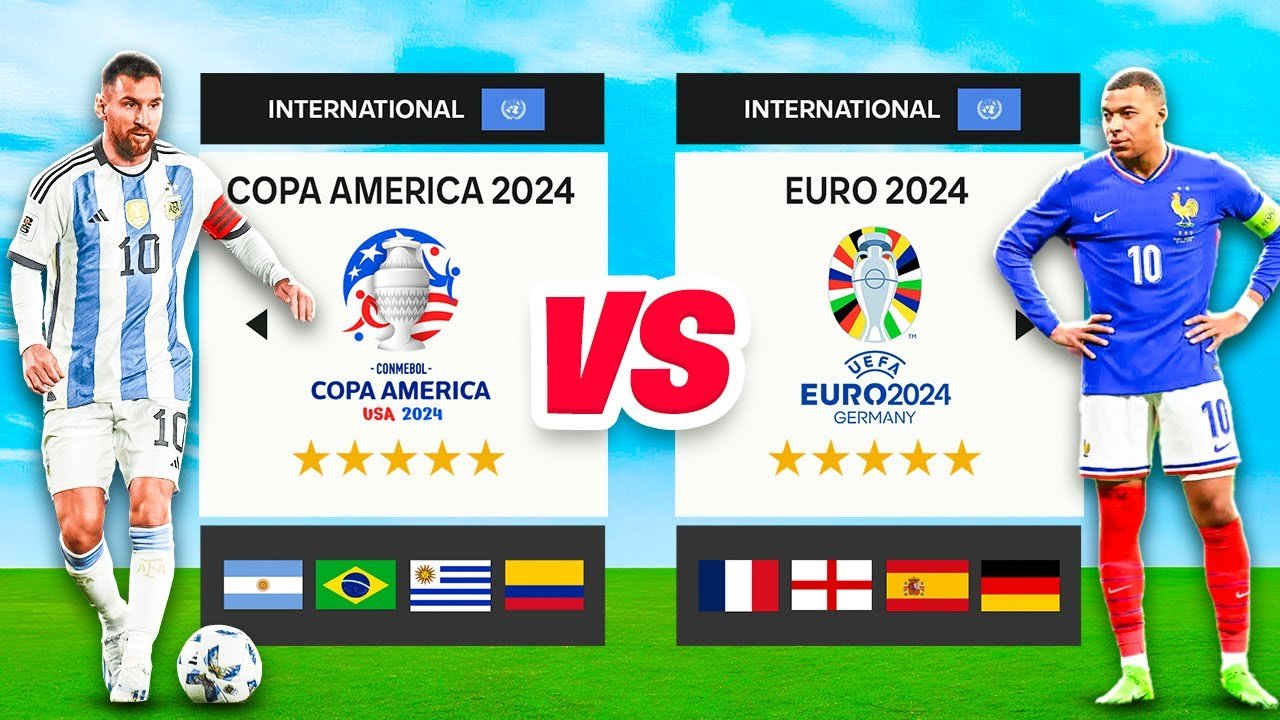
Euro 2024 vs Copa América 2024, The summer of 2024 presents football fans with an unprecedented dilemma –…
Leave a Reply